Ideation workshop: Bridging theory and practice
Case study in 2023 - 2025 by Max van IJsselmuiden
Connect academic design theory with practical application while recruiting emerging talent
Integrated into multiple university courses, sparked student creativity, and generated meaningful talent connections
Workshop facilitator
The idea for an ideation workshop emerged from observing a consistent pattern: students had all the theoretical knowledge and research inputs but couldn’t bridge the gap to actual design execution.
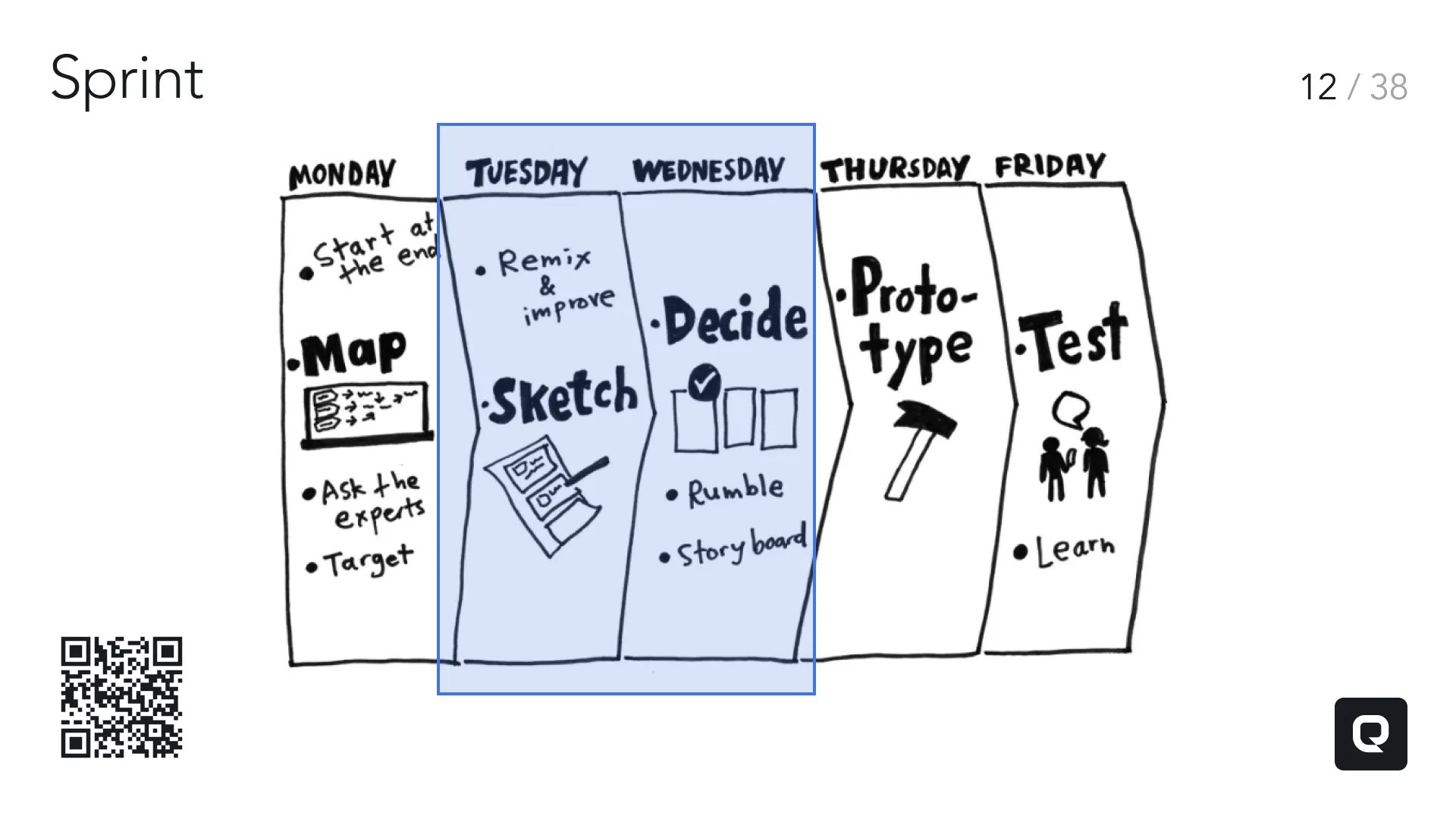

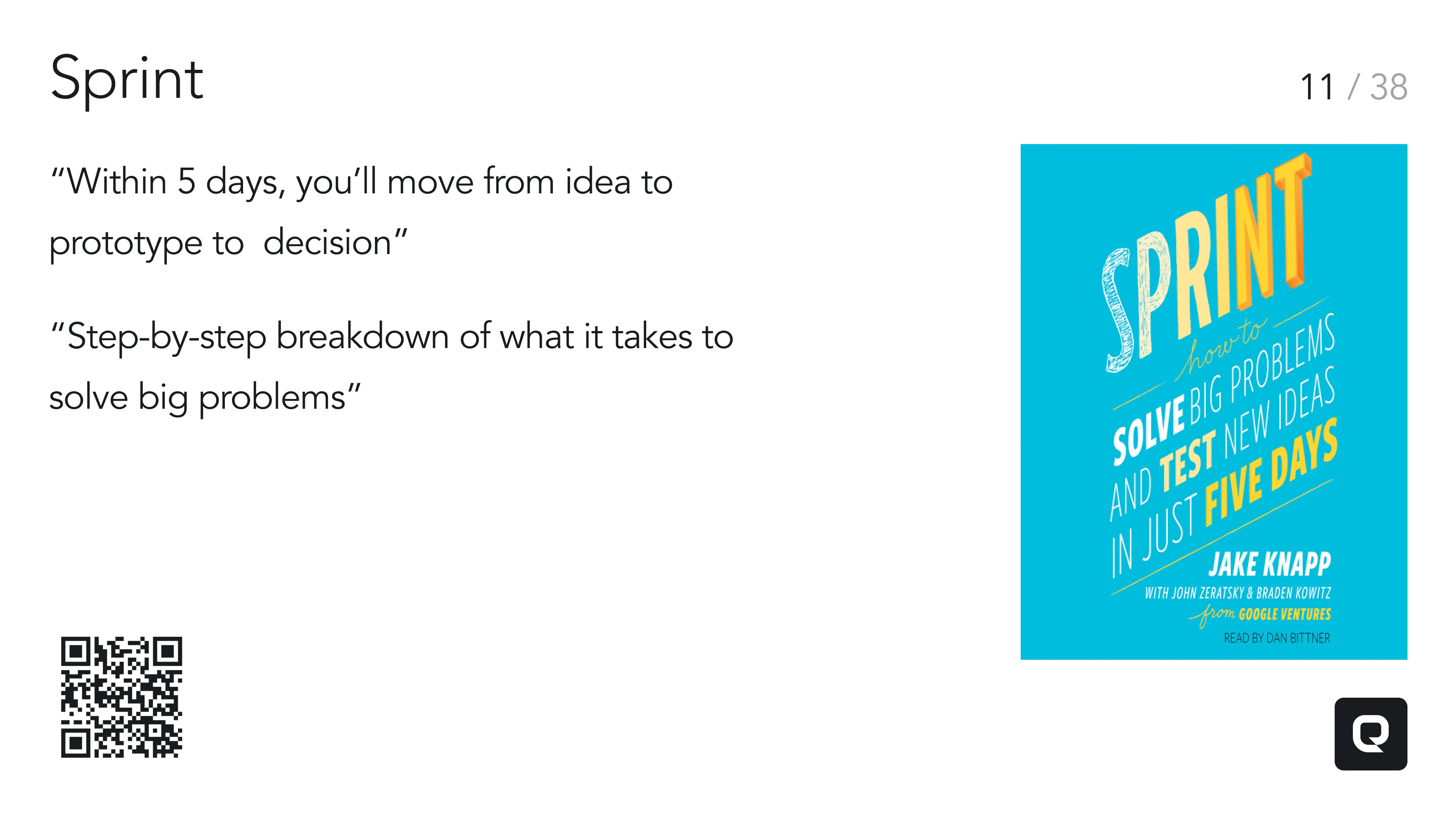
We drew inspiration from Google Ventures’ well-known Sprint methodology, detailed in Jake Knapp’s book “Sprint”: ‘How to Solve Big Problems and Test New Ideas in Just Five Days.’
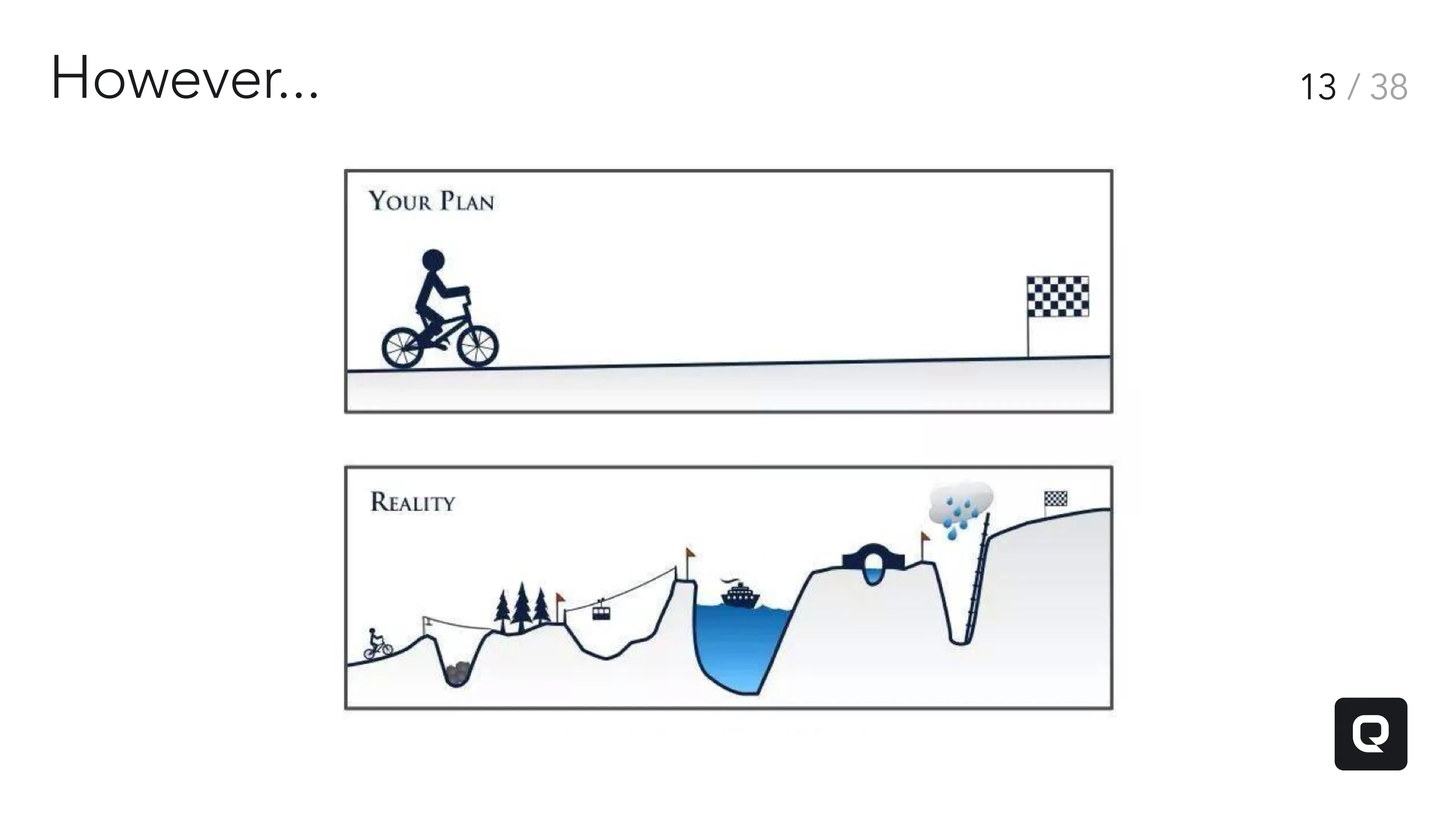
However, the traditional Sprint framework assumes resources most students don’t have: five full days, dedicated teams, complete project ownership, and substantial budgets.
The fundamental problem
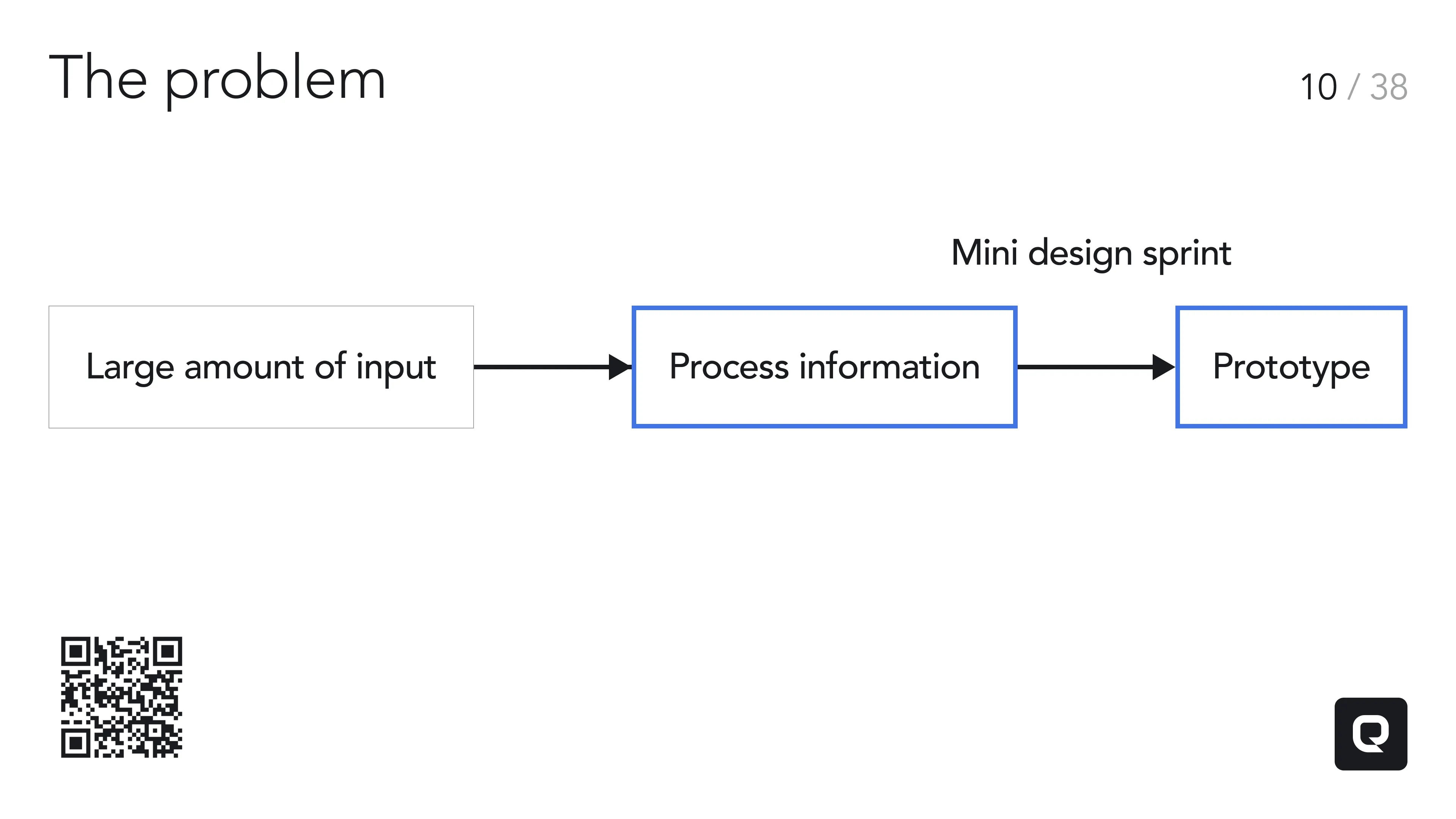
Students consistently struggled with the same challenge: how do you move from information and constraints to actual design?
Most existing design frameworks assume unlimited time and resources.
The mini design sprint
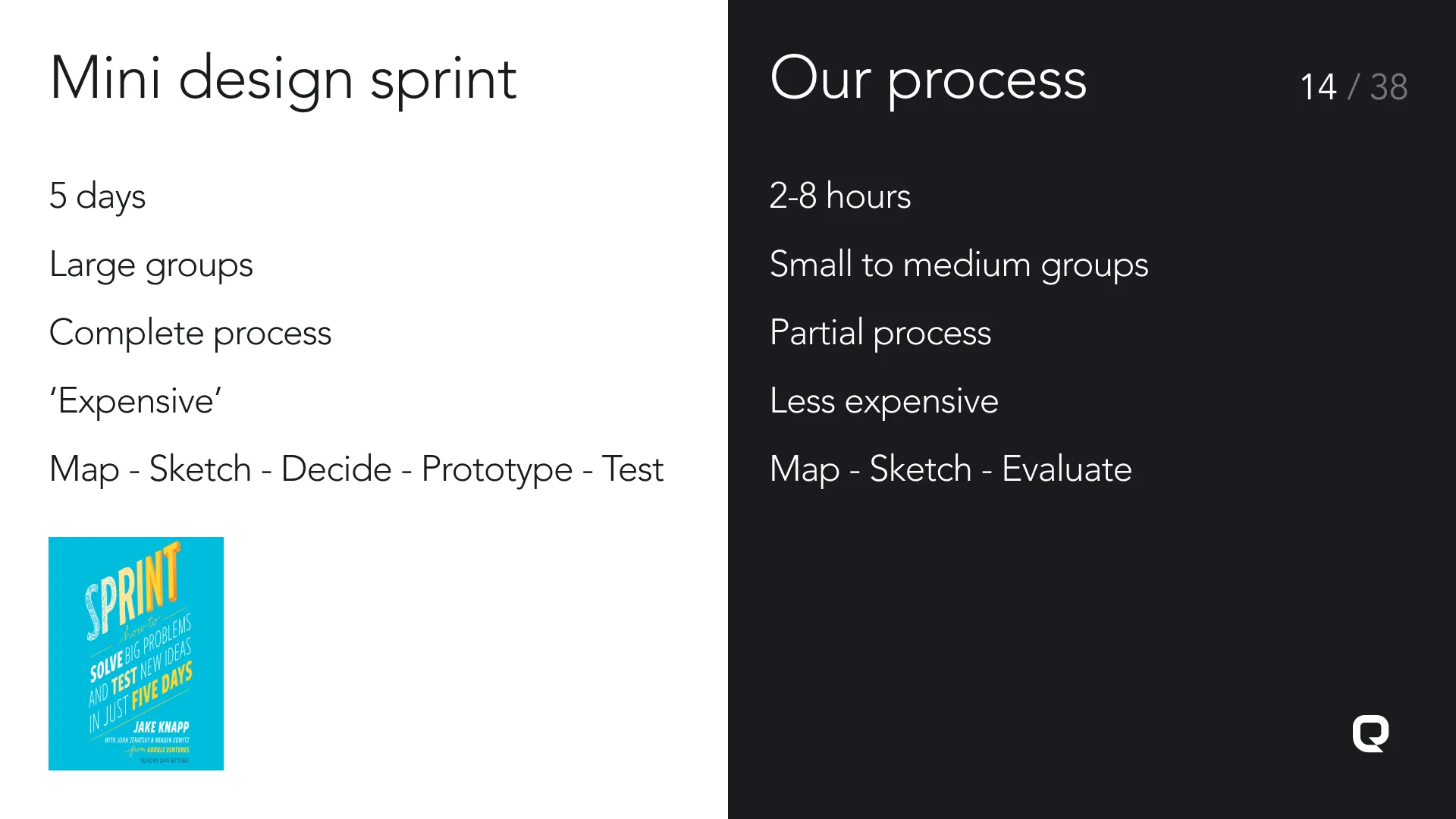
We adapted the Sprint book’s methodology to fit academic realities. Where the original process takes five days (map, sketch, decide, prototype, test), our workshop compressed the critical first three phases (map, sketch, decide) into 2-3 hours.
The systematic process
Working with 10-40 students in small groups, each cycle runs in approximately 30-minute blocks:
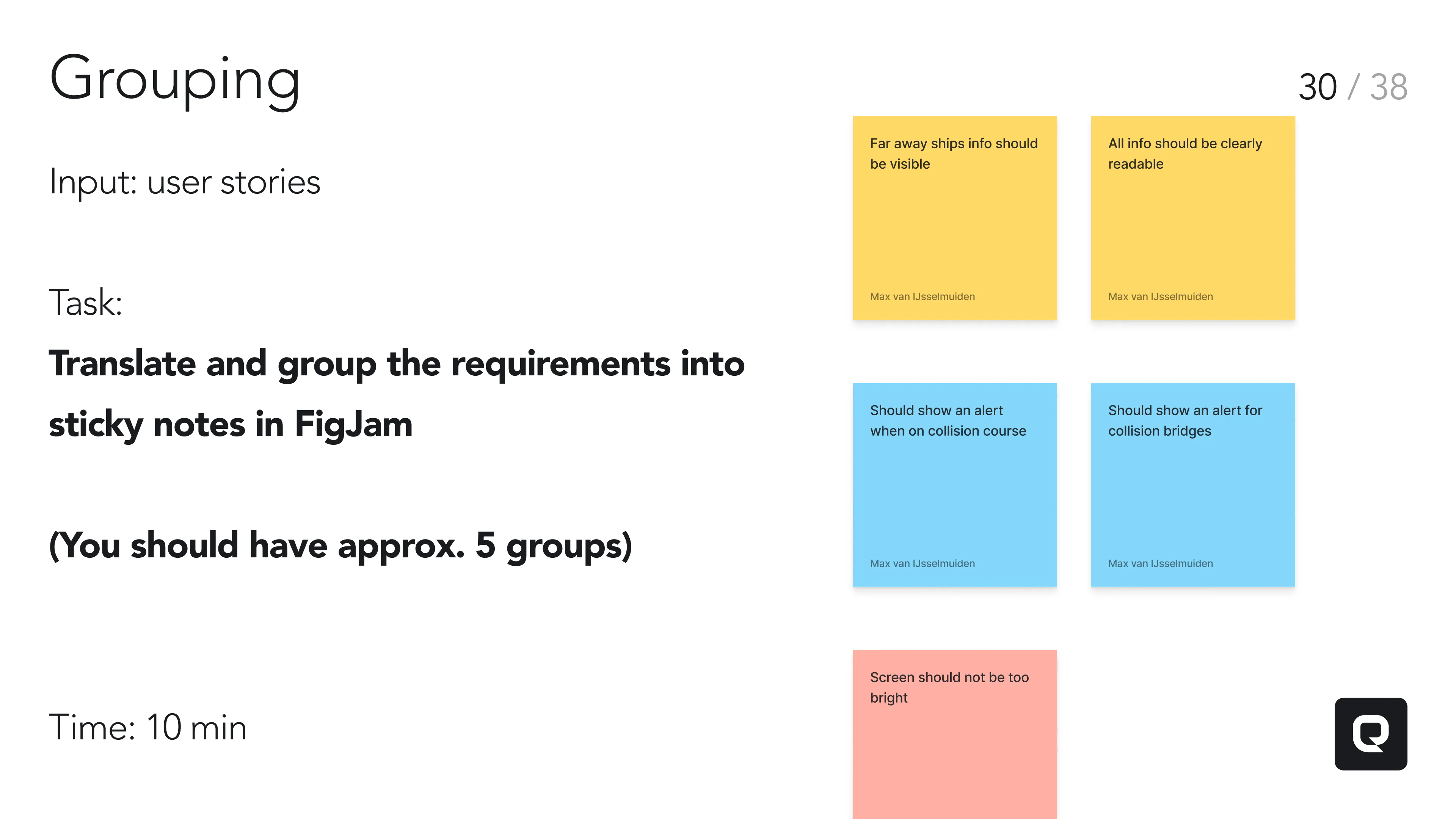
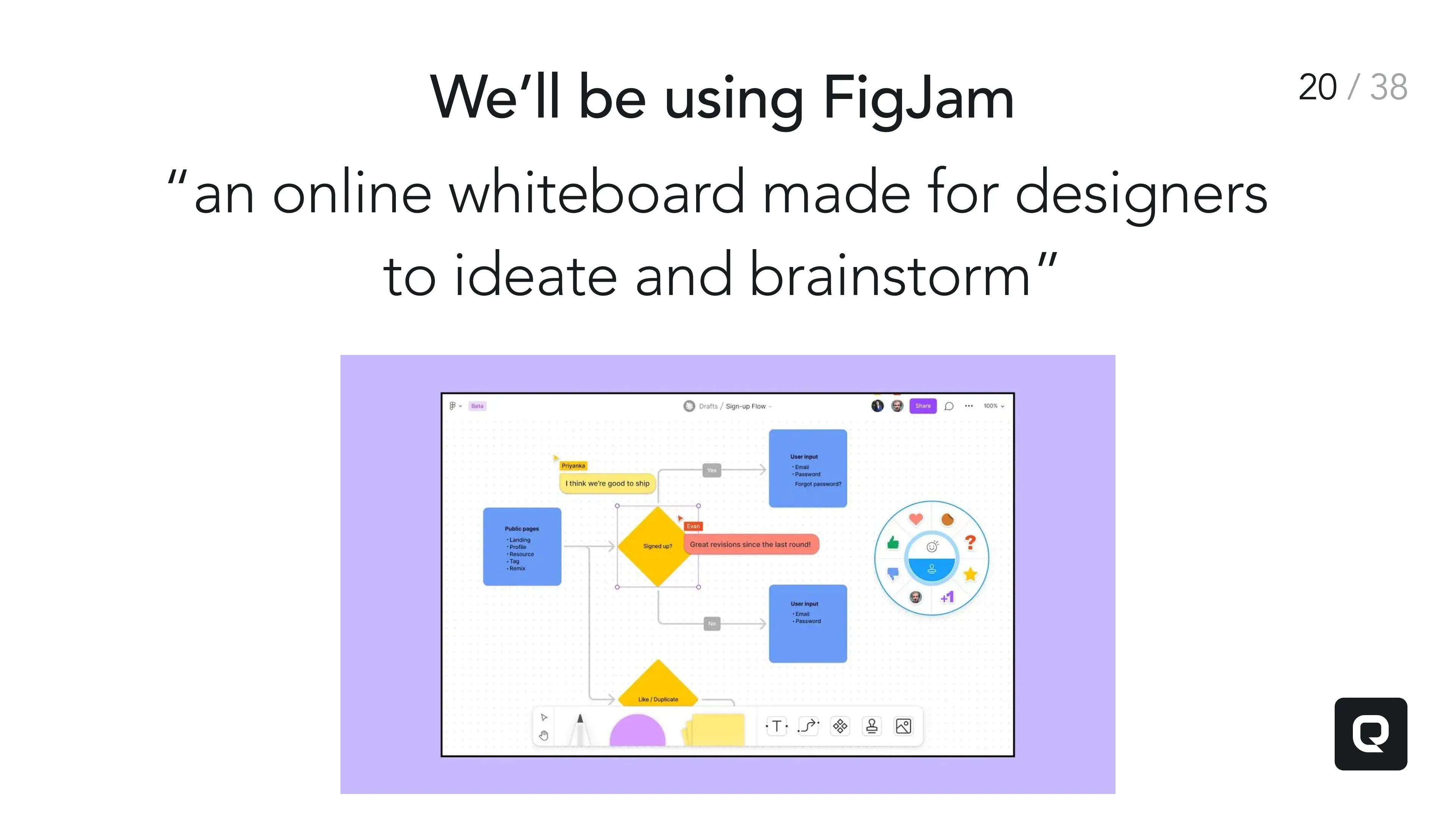
Grouping (10 min) — Students organise requirements into roughly five thematic groups using sticky notes in FigJam.
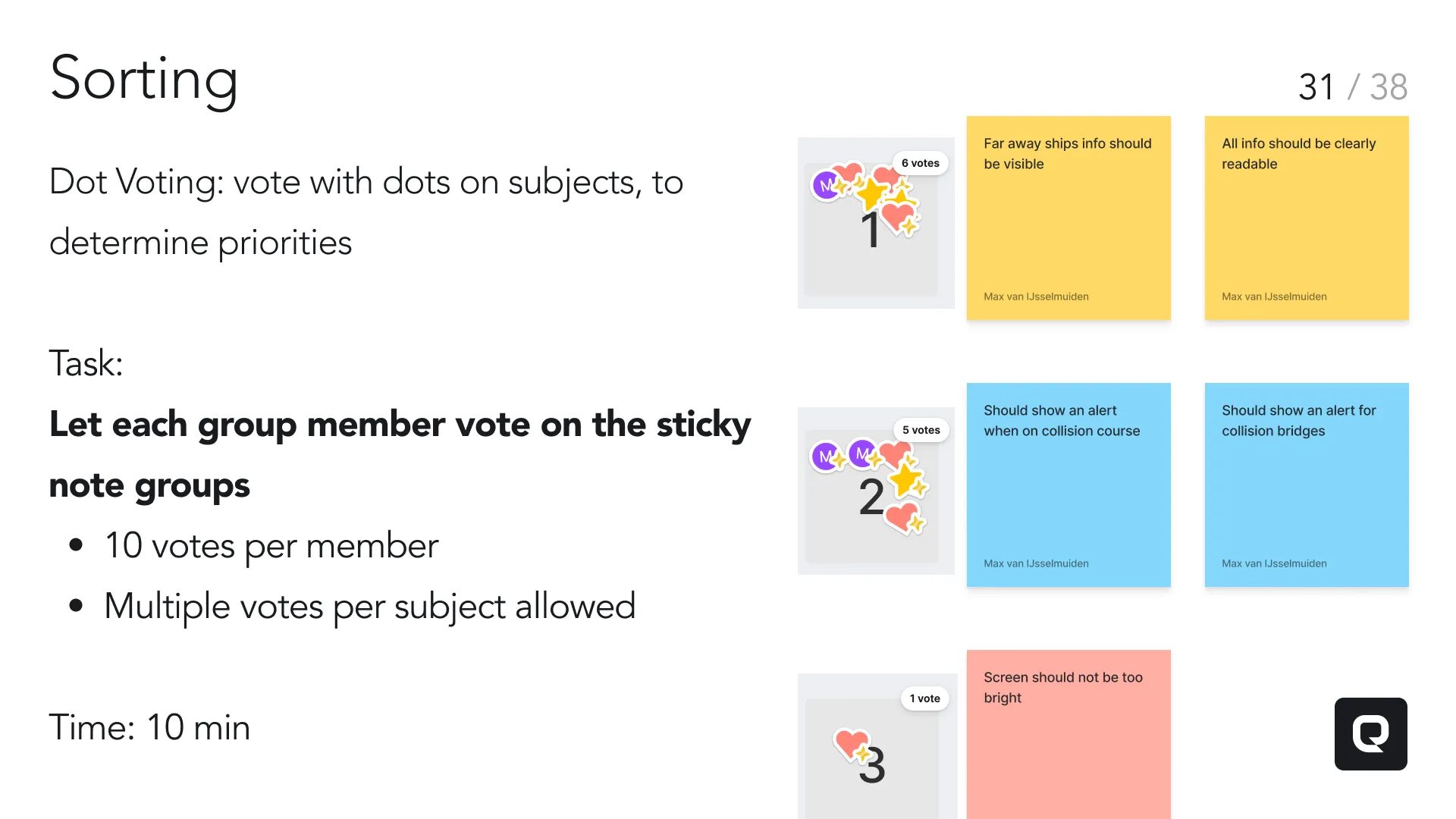
Sorting (10 min) — Dot voting with 10 votes per member determines priority groups.
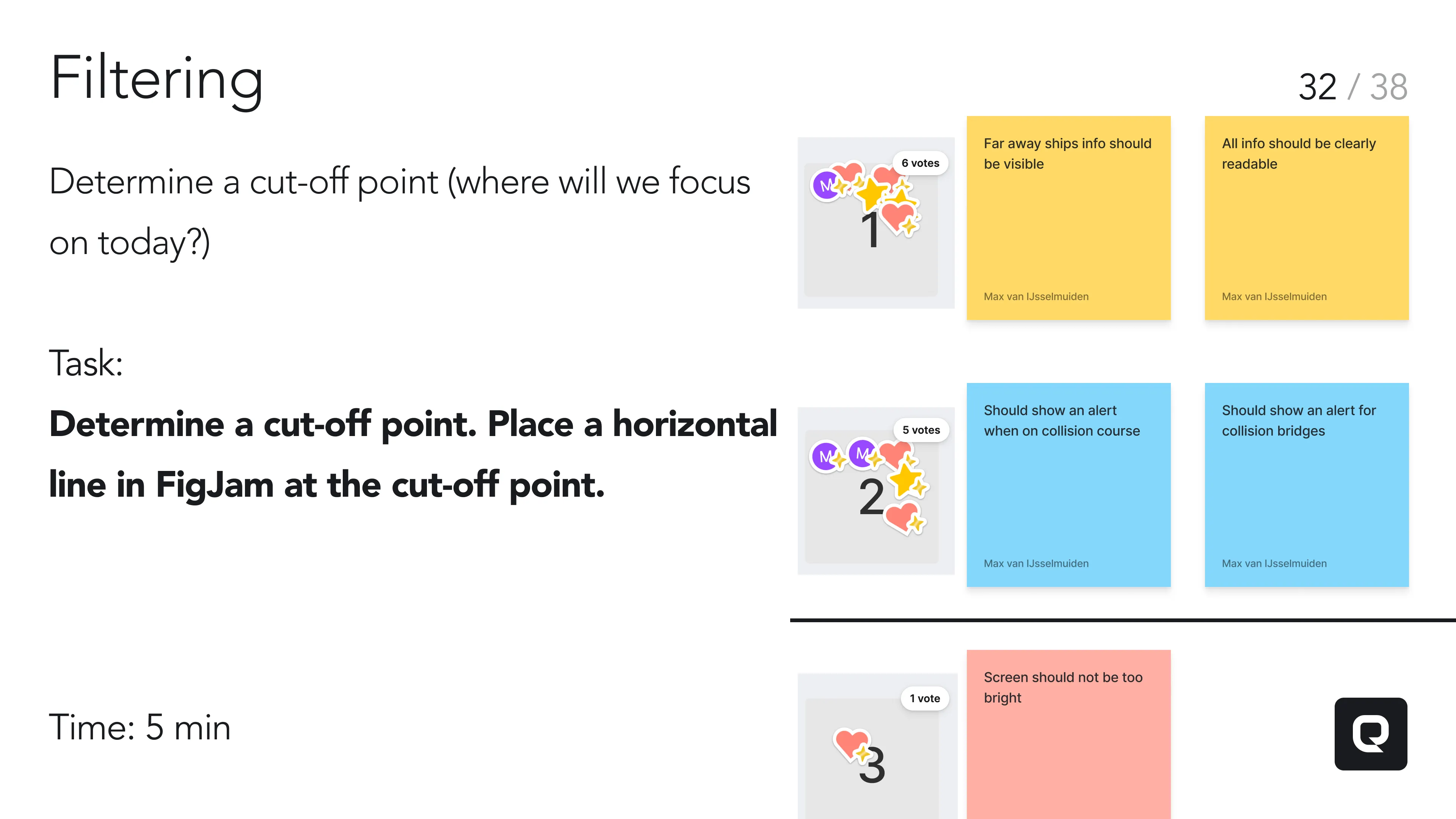
Filtering (5 min) — Teams draw a cutoff line to establish focus.
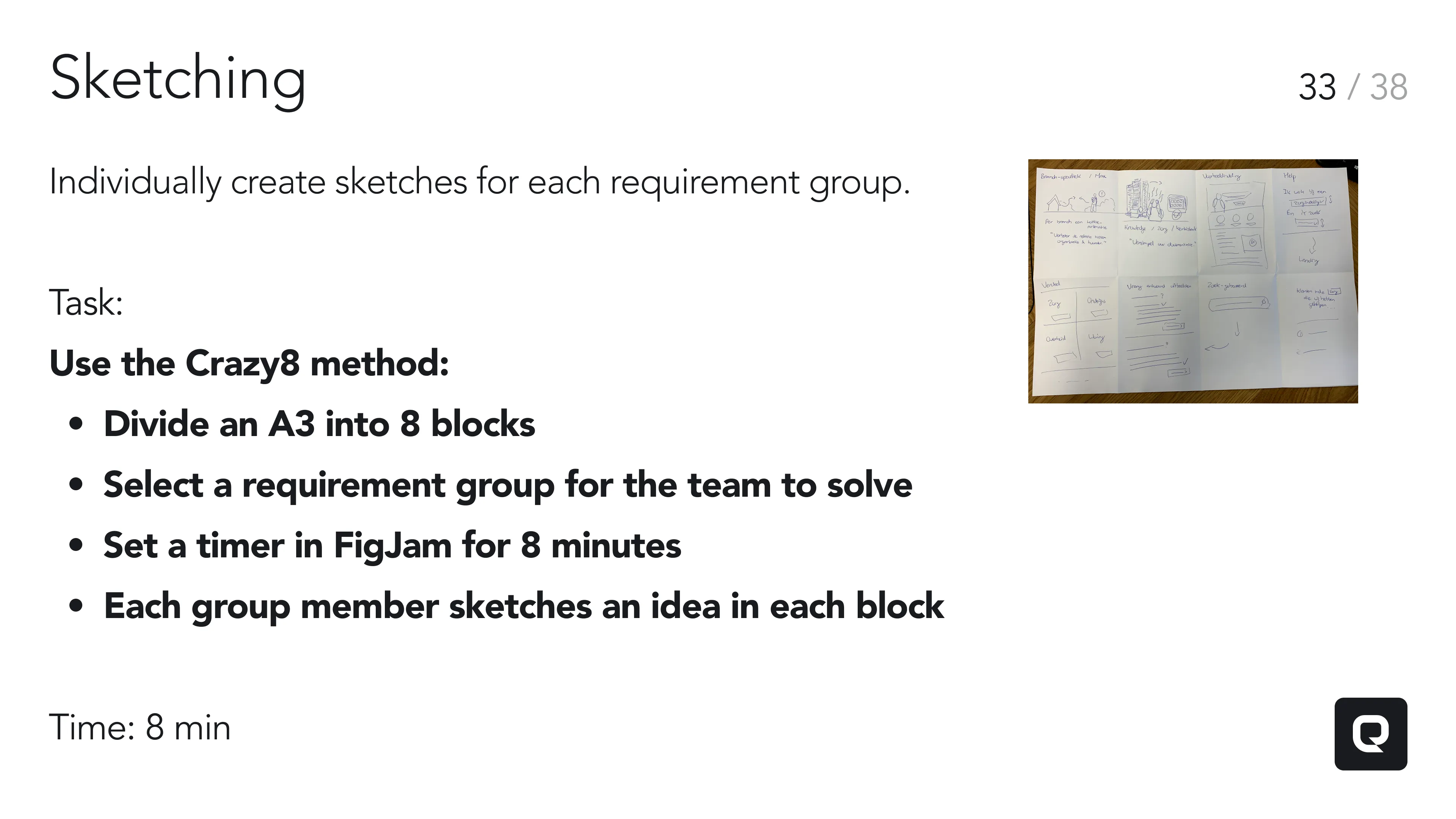
Sketching (8 min) — Crazy 8s: an A3 sheet divided into 8 blocks, one sketch per block under timed pressure.
Presentation (5 min) — Members present sketches; photos get uploaded to FigJam.
Evaluation (5 min) — Dot voting identifies the strongest concepts.
Evolution through iteration
Early versions of the workshop had significant friction points. Technical setup became the biggest barrier.
The team optimized by printing step-by-step reference sheets, allowing independent work while facilitating across groups. Digital tools handled organization and voting, while analog sketching removed technical barriers during the creative phase.
Impact and adoption
Results were immediate and visible. Professors observed sparked creativity; previously stuck students suddenly generated tangible ideas within the session.
The workshop became embedded in regular curriculum, with professors requesting additional implementations across multiple courses. This successfully bridged academic theory with business practice.
Strategic outcomes
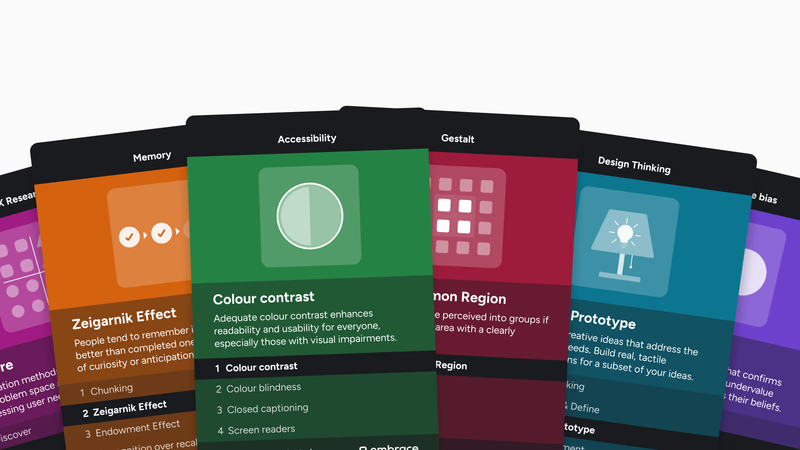
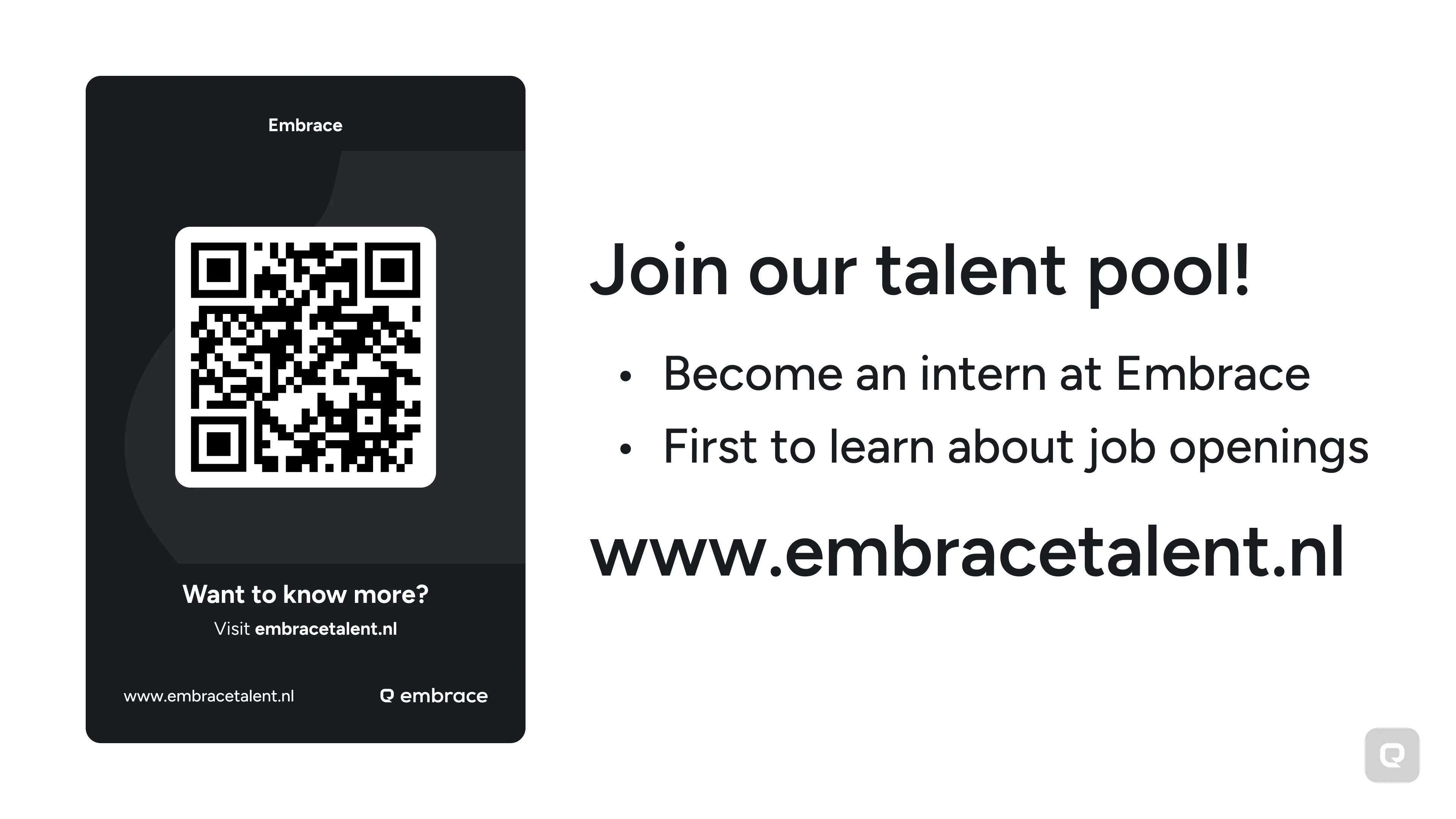
Approximately five students converted to meaningful connections over two years. A distributed design principles quartet game with contact details and talent newsletter QR code created lasting brand connections.
Lessons learned
Professional design processes translate well to academic settings when properly adapted. The key insight: don’t dilute the professional methodology, adapt it. Keep the rigor and structure that make these processes effective in business, but compress timelines and reduce resource requirements.
Time pressure became a feature enabling creative action rather than a limitation.
There’s something special about enthusing people for something you’re passionate about.